Ask a portal what a $425,000 budget buys in North Providence and you get a single number back. Ask which house that number actually describes and the answer splits fast, because in this town $425,000 can mean two very different transactions depending on which side of Smith Street you're standing on.
That gap shows up before you ever get to a home inspection. It shows up first in the paperwork.
The Paperwork Problem Nobody Budgets For
Buyers drawn to a "two-family with rental income already in place" in Marieville or along the Providence line often skip a step that has nothing to do with condition and everything to do with legal status. That gap surfaces at the worst possible moment, during underwriting, after the offer is already accepted.
That paperwork issue points to the same underlying fact: North Providence isn't one housing market wearing a single median price. It's two markets split by property type, and the town's geography tells you which one you're standing in.
One Median, Two Housing Markets
Over the three months ending July 2026, the median sale price for a home in North Providence was $425,000, up 4.2% from the same period a year earlier, with homes selling in around 25 days and drawing roughly two offers on average. Zillow's estimate of the town's average home value landed close by, at $419,906 as of the end of July 2026.
Neither number describes what Allendale-Lymansville actually costs. Over the past year, the median sale price there ran $310,000, up 4% year over year, a full $115,000 below the townwide figure. That's not a rounding error. It's the arithmetic of averaging two structurally different housing stocks into one town-level statistic.
North Providence divides into a handful of named villages, and each carries a distinct housing identity:
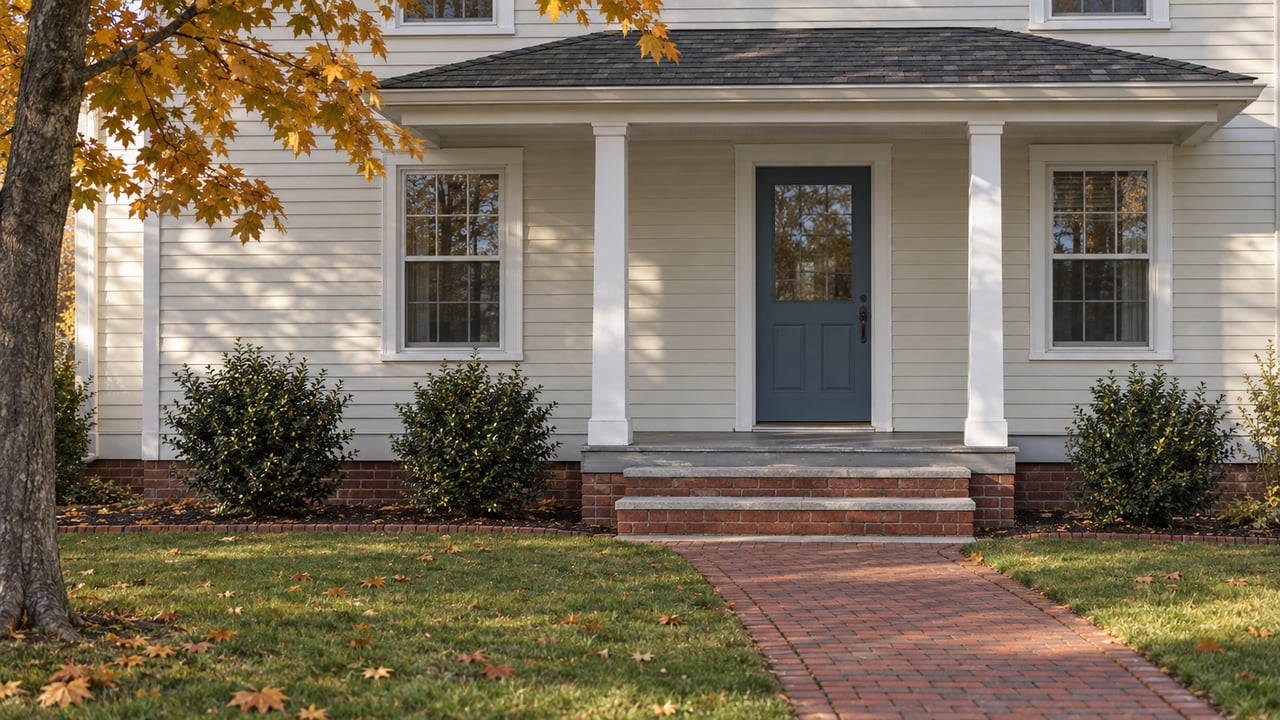
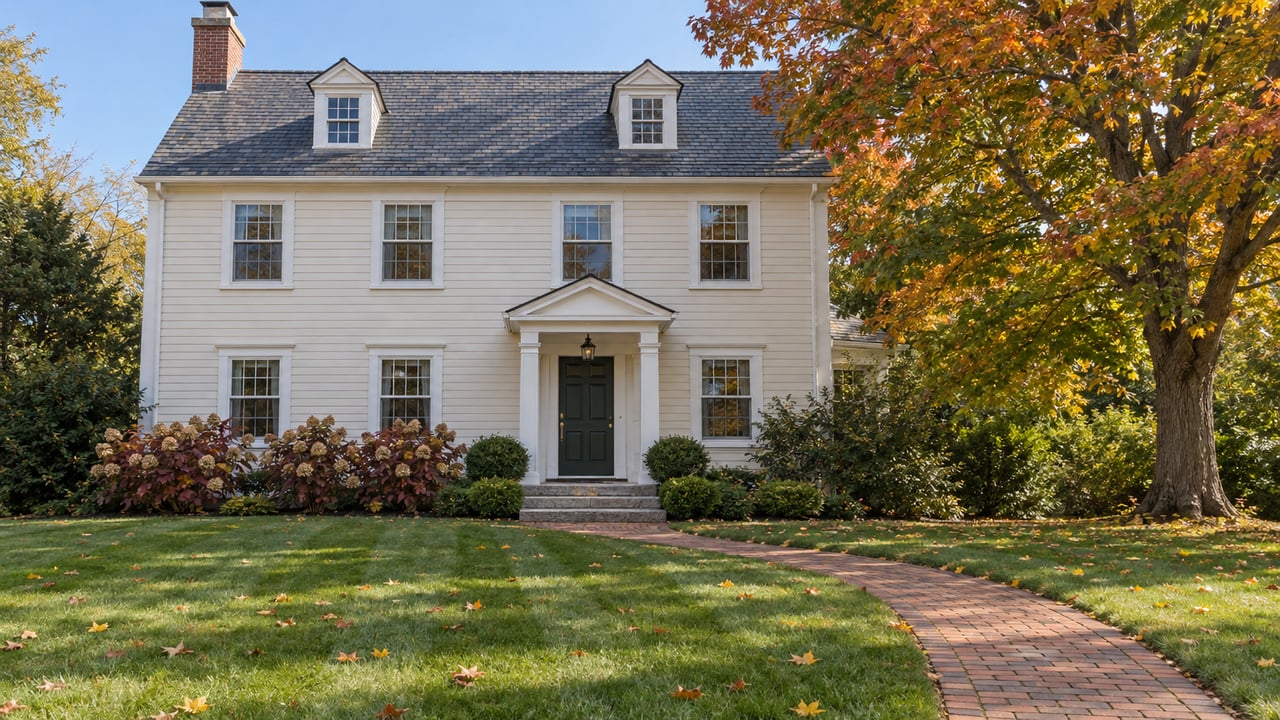
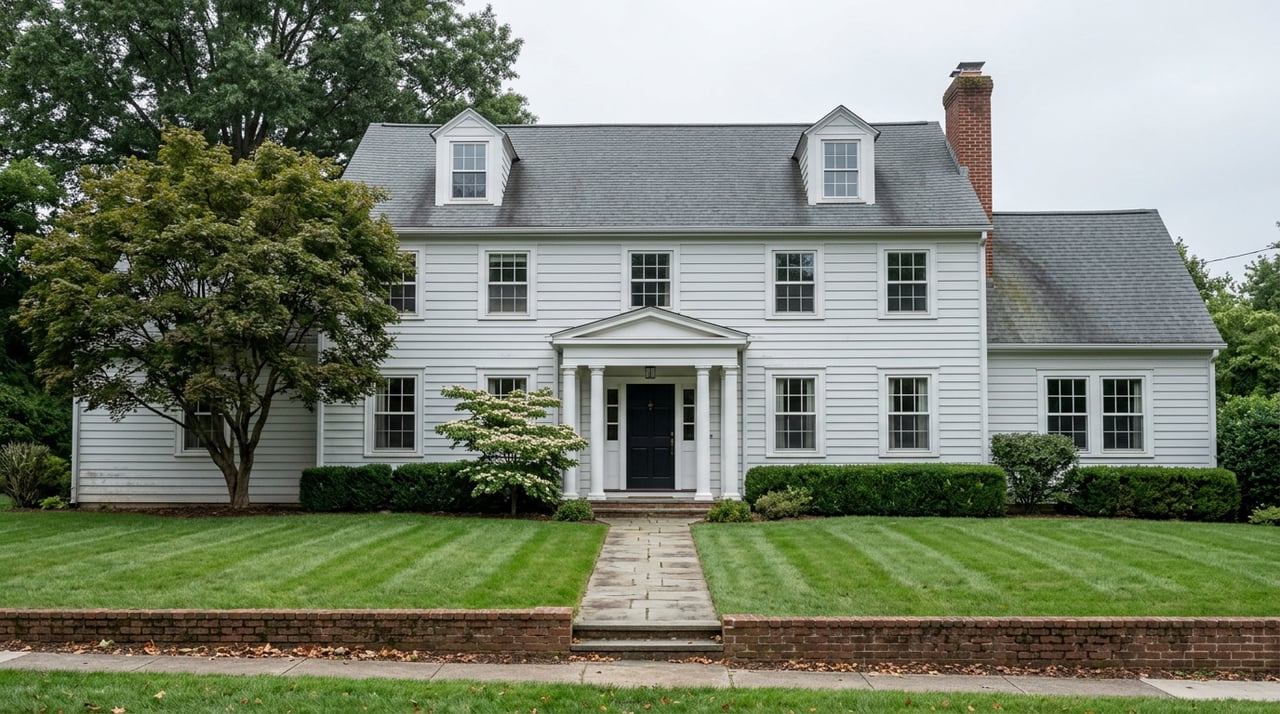
- Fruit Hill, bordering Providence's Elmhurst neighborhood, is the town's premium single-family pocket. Its streets carry brick-face colonials, Dutch colonials, Tudor and Greek Revivals, largely unchanged since the mid-twentieth century. Smith Street runs through the middle of it, home to Cool Licks Creamery, Camp Nowhere, and The Centredale Revival, along with the Village at Fruit Hill shopping center and a Shaw's grocery. Rhode Island College's 180-acre campus anchors the southern edge.
- Centredale is the town's civic and commercial center, a walkable mix of single-families, two-families, and condos.
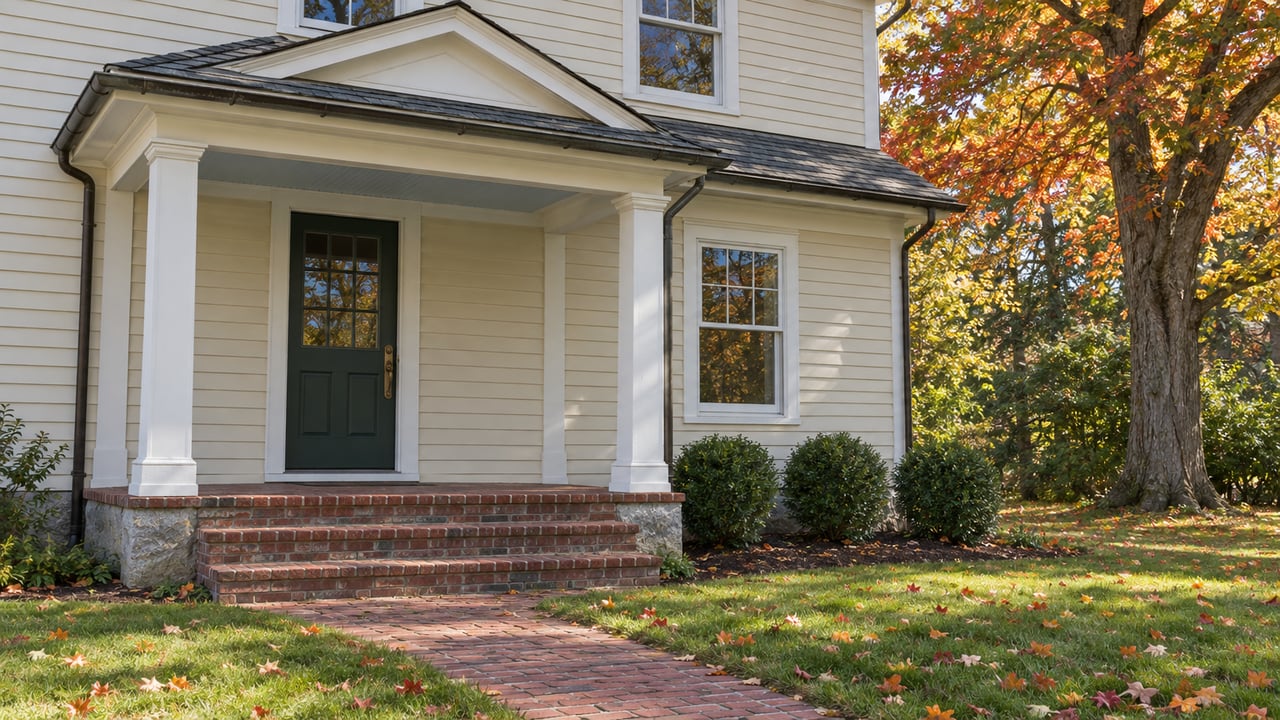
- Marieville, the densest and oldest housing stock closest to Providence, is the most affordable entry point in the metro, much of it two- and three-family buildings suited to an owner-occupant strategy.
- Allendale-Lymansville traces back to its days as a textile mill village along the Woonasquatucket River. The housing here mixes mill-converted condos with 1950s Cape Cods and split levels, and it's where that $310,000 median lives.
- Greystone, near the Smithfield line, offers quieter streets and slightly larger lots, closer to Route 295.
The point isn't that some villages are nicer than others. It's that a buyer comparing "North Providence" to Lincoln or Smithfield on a portal is comparing a blended average to those towns' own blended averages, without knowing which slice of North Providence they'd actually land in.
Why the Split Isn't Just Price, It's Property Type
A single-family colonial in Fruit Hill and a two-family in Marieville aren't the same purchase with different price tags attached. They're different transactions with different financing paths, different insurance requirements, and different long-term math.
A single-family purchase is a straightforward conventional or FHA mortgage against one dwelling unit. A two- or three-family purchase, especially one bought as an owner-occupant strategy where you live in one unit and rent the others, involves multi-unit underwriting, projected rental income counted differently across lenders. None of that shows up in a portal's median price. All of it shows up in your actual closing costs and monthly obligation.
That difference is also why the townwide median is close to useless for setting a personal budget. If the plan is a single-family home, Fruit Hill and Greystone are the villages worth pricing against, not the blended $425,000 townwide figure. If the plan is an owner-occupied multi-family, Marieville and the Providence-line stock hold the real comparable sales, and that number sits meaningfully below the townwide average.
The Two-Family Math, and Why Timing Might Matter Right Now
There's a second layer worth understanding if a two-family purchase is actually the plan. Statewide, multifamily medians declined 1.5% in June 2026 even as multifamily listings rose 10.7% over the same period. More inventory chasing softer pricing means less leverage for sellers of that specific property type than a year ago, which tends to favor buyers willing to be patient on price and terms.
That's a meaningfully different condition than the single-family side of North Providence, where homes are still selling in about 25 days with multiple offers. A buyer weighing a Marieville two-family against a Fruit Hill colonial isn't just choosing a neighborhood. They're choosing which side of a diverging market they want to negotiate in this fall.
What This Means Before You Write an Offer
A few things worth settling before a budget conversation turns into an offer:
- Decide which property type you're actually buying before you compare prices. A single-family search and a multi-family search in North Providence are functionally two different home searches with two different comparable sets.
- Price against the village, not the town. A Fruit Hill comparable sale tells you more about your actual Fruit Hill offer than the townwide median ever will.
Two Questions We Hear Most
Does a lower price in Marieville or Allendale-Lymansville mean lower quality? Not necessarily. It reflects an older housing stock built for density and multi-family use rather than the larger single-family lots found in Fruit Hill or Greystone. The price difference tracks property type and lot size more than it tracks condition.
Is now a good time to buy a two-family in North Providence? The statewide data suggests more room to negotiate on price and terms in the multifamily segment than a year ago, given rising listings and softening medians. Whether that timing works for a specific buyer still depends on financing.
Knowing which market you're actually buying into, before you write the offer, is the kind of groundwork that pays off at the closing table. If you're weighing a single-family purchase against a multi-family strategy in North Providence, or trying to work out where your budget actually lands across Rhode Island's Providence-area towns, DiCenzo Advisory can walk through the village-level comparables with you before you write anything down. Schedule a Free Consultation to start that conversation.
This article is general information, not legal, tax or financial advice. Consult a qualified professional about your situation.