Wondering if Providence’s East Side is worth the premium? If you are weighing a move here, you are probably balancing lifestyle, budget, commute, and long-term value all at once. The good news is that the East Side has a distinct identity, and understanding its trade-offs can help you decide with more confidence. Let’s dive in.
What people mean by the East Side
When people talk about the East Side of Providence, they usually mean neighborhoods such as College Hill, Fox Point, Wayland, Hope, Blackstone, and Mount Hope. Brown’s neighborhood guidance also places areas like Wayland Square, Wickenden, Blackstone Boulevard, and Rochambeau in that broader East Side orbit.
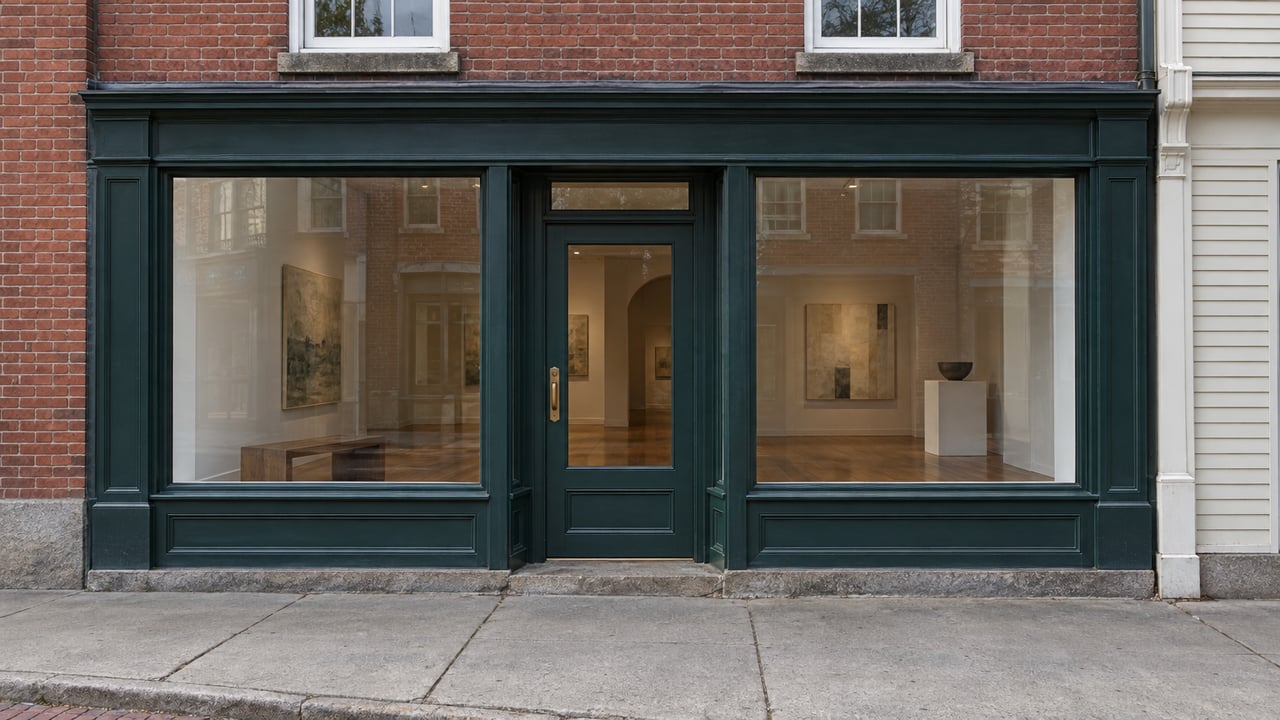
This part of Providence is closely tied to historic architecture, walkable commercial streets, galleries, restaurants, and shops. It also sits alongside Brown and RISD, which shape the area’s daily rhythm, housing demand, and overall character.
Why buyers focus on the East Side
The East Side tends to appeal to buyers who want more than square footage alone. If you value walkability, neighborhood character, access to local businesses, and a location with strong long-term demand, this area often rises to the top of the list.
It also offers a mix of daily conveniences and cultural energy. Brown notes that the area around campus includes grocery shopping, cafes, restaurants, and other amenities within walking distance, which supports a more connected day-to-day lifestyle.
Walkable lifestyle hubs
Two of the East Side’s best-known corridors are Hope Street and Thayer Street. Hope Street is known for its concentration of independently owned businesses, while Thayer Street offers a strong dining, college, and arts atmosphere.
Wayland Square adds another layer to the East Side lifestyle. It is often described as a classic New England walkable neighborhood, with a mix of local activity and an established residential feel.
Historic setting and visual character
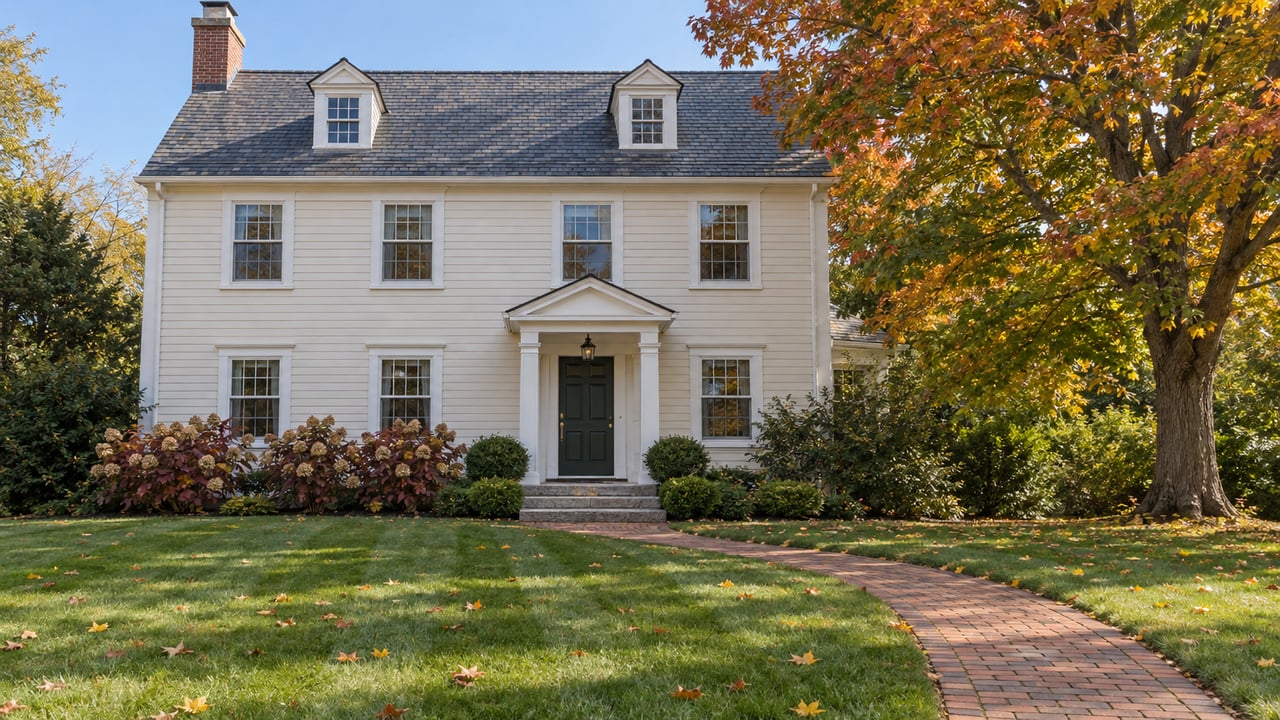
College Hill is the historic anchor of the East Side. The city describes it as the site of Rhode Island’s first permanent colonial settlement, and it remains one of Providence’s most architecturally distinguished areas.
That historic setting is a major part of the appeal. If you are drawn to older homes, established streetscapes, and a sense of place that feels hard to replicate, the East Side offers that in a way few nearby submarkets do.
What housing looks like on the East Side
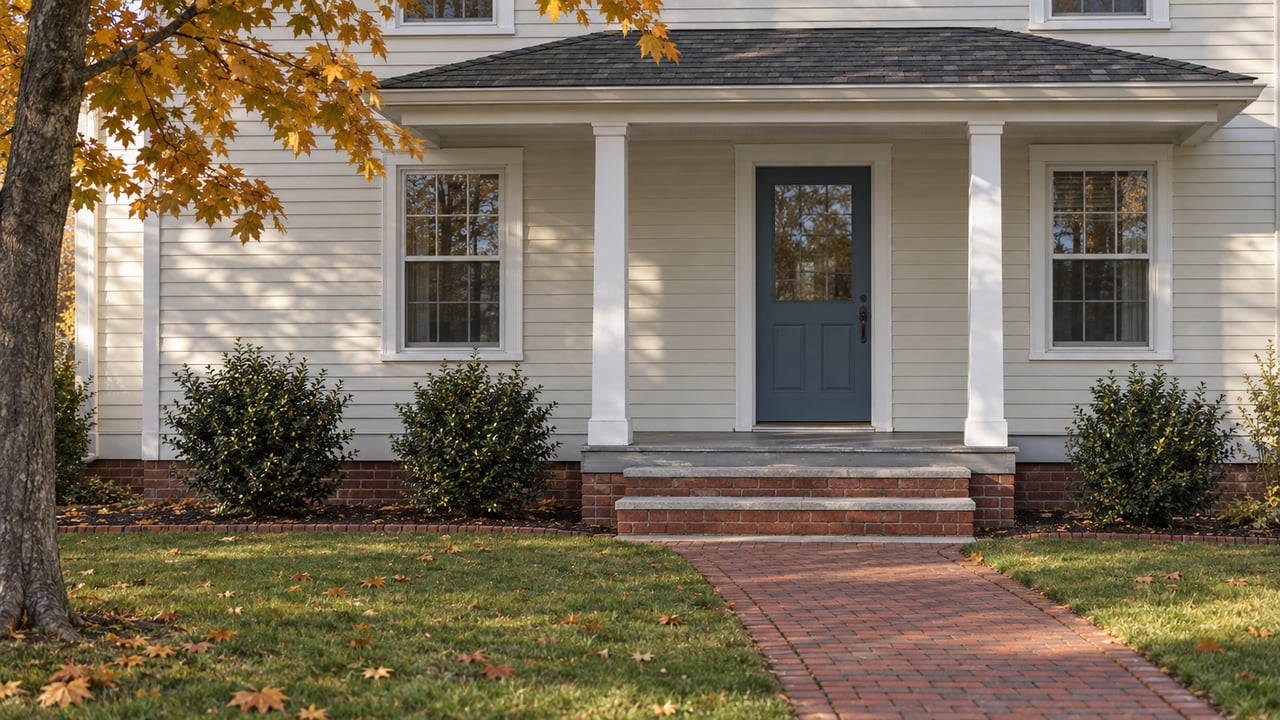
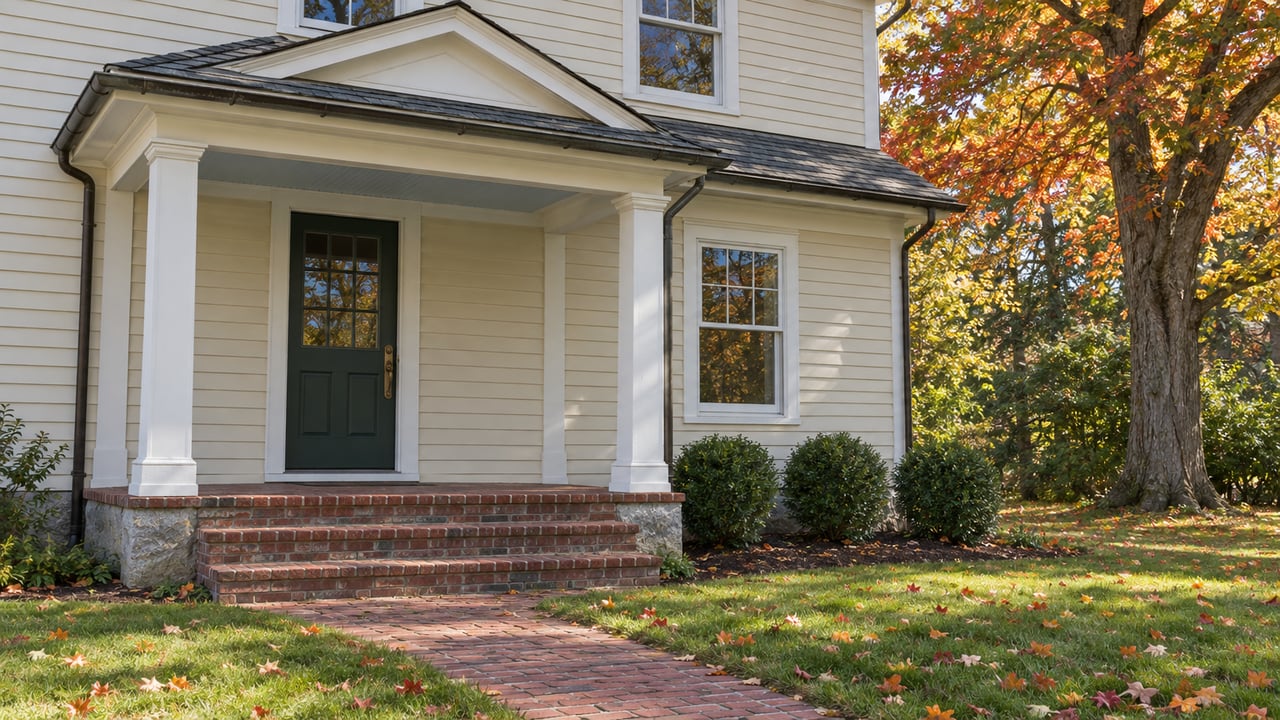
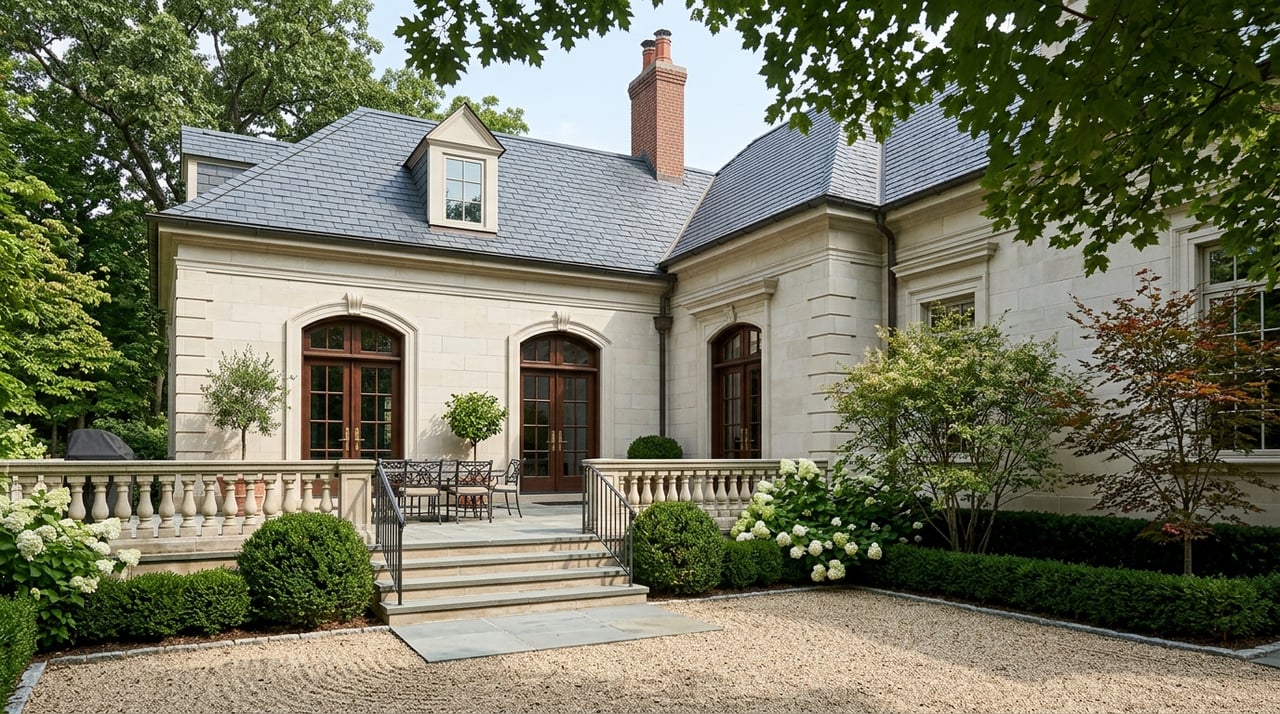
If you are expecting a neighborhood defined by new construction or large suburban lots, the East Side may feel different from what you have in mind. The housing stock is better understood as a collection of older homes and condos, often with strong architectural character and a wide range of sizes.
Recent sales reflect that variety. They range from smaller condos under 900 square feet to multi-bedroom homes over 3,000 square feet, which means you can find very different property types within the same broader market.
Older homes come with trade-offs
Many East Side homes offer charm, detail, and location, but older housing often requires more maintenance and renovation planning. That can include updating systems, budgeting for ongoing upkeep, or preparing for work over time rather than all at once.
Parking can also be tighter in some sections, especially compared with more suburban alternatives. If easy off-street parking or newer layouts are high priorities for you, that is worth weighing early in your search.
Neighborhood mix matters
Not every East Side pocket feels the same. Blackstone, for example, is described by the city as having mostly medium-size to large single-family dwellings, including some later-20th-century suburban-style single-family pockets.
Across Providence, housing types are often mixed even in areas that may appear more single-family at first glance. That makes hyperlocal guidance especially important when you are comparing one East Side block or micro-area to another.
How much more does the East Side cost?
The East Side is the premium submarket among the nearby areas reviewed in current data. Over the three months ending May 2026, the median sale price was $919,191, compared with $579,653 for Providence overall and $444,734 for East Providence.
Nearby Providence areas also came in lower. The same data placed Downtown Providence at $588,734, West End at $659,778, Federal Hill at $684,770, Mount Hope at $659,655, Fox Point at $729,755, and Hope at $839,718.
The premium buys a different mix of benefits
That price gap does not automatically mean the East Side is the right choice for every buyer. What it often means is that you are paying more for a combination of location, character, institutional adjacency, walkability, and historically competitive demand.
In the same recent period, East Side homes sold in an average of 31 days, with 36.8 percent selling above list price and a 99.6 percent sale-to-list ratio. Those numbers point to a market where well-positioned homes continue to attract strong interest.
Commute and getting around
If you want urban convenience without depending entirely on a car, the East Side offers practical advantages. RIPTA’s East Side Tunnel reopened to bus service on October 31, 2024, returning routes 1, 32, 33, 34, 40, and 61X to regular routing.
RIPTA’s route list also includes Route 34 East Providence/Seekonk Square and Route 92 RI College/Federal Hill/East Side. For many buyers, that supports easier downtown access and more flexibility for car-light commuting.
Access to downtown and the waterfront
College Hill transitions at its base into a commercial and residential connection with downtown Providence. That helps explain why the East Side often feels both neighborhood-oriented and centrally placed.
Fox Point adds another dimension. It is a waterfront community with a linear park linking the East Bay Bike Path to Providence, along with restaurants, galleries, parks, playgrounds, and seasonal waterfront activity.
What daily life can feel like
The East Side tends to attract buyers who want a neighborhood they can use, not just a home they can occupy. Daily life here is often shaped by local retail streets, campus-adjacent energy, older architecture, and access to public spaces.
Hope Street and Summit combine historic housing with a walkable retail strip. Wayland Square offers a compact, classic neighborhood setting, while Fox Point brings a stronger waterfront identity and outdoor connection.
Schools and neighborhood anchors
For buyers considering school access as part of their search, the East Side includes established neighborhood school anchors. Nathan Bishop Middle School on Sessions Street serves more than 650 students in grades 6 through 8.
Vartan Gregorian Elementary in Fox Point serves about 300 students in grades K through 5 and has partnerships with Brown Athletics and the Boys & Girls Club. Hope High School on Hope Street offers arts programming and an advanced core curriculum.
The long-term value question
For many move-up buyers, the real question is not just whether the East Side feels appealing today. It is whether paying more now supports your long-term goals around lifestyle, resale, and wealth preservation.
Providence’s Comprehensive Plan emphasizes infill that respects neighborhood scale, supports a diverse housing market, and approaches student housing and short-term rentals with caution. Paired with the East Side’s limited supply, strong identity, and adjacency to Brown and RISD, that can support resale liquidity over time.
Scarcity helps support demand
The East Side is not easy to replicate. Its mix of historic architecture, walkable streets, institutional anchors, and established neighborhood identity creates a level of scarcity that many buyers recognize.
That does not guarantee future outcomes, of course. But it does help explain why the East Side has remained a consistently competitive part of the Providence market.
When the East Side may not be your best fit
The East Side is not the answer for every buyer, and that is important to say clearly. If your main goal is maximizing square footage for the price, East Providence and several other Providence neighborhoods currently offer a lower entry point.
East Providence, in particular, stands out on affordability at $444,734 in current data. West End, Downtown Providence, and Federal Hill also sit below the East Side while still offering urban convenience.
Watch flood and resilience factors
If you are considering river-edge or waterfront-adjacent pockets, flood diligence matters. Providence’s climate materials note ongoing investment in stormwater and sewer resilience to address chronic flooding, and the city says Fox Point Hurricane Barrier repairs were completed to help protect against flooding and natural disasters.
That does not mean you should avoid these areas. It means you should evaluate location-specific risk carefully as part of your overall buying decision.
Who the East Side fits best
In practical terms, the East Side is often a strong fit for move-up buyers who prioritize walkability, culture, schools, and a historically resilient resale story over maximizing size per dollar. It can also make sense for buyers who value established architecture and want a neighborhood with a clear identity.
If that sounds like you, the premium may feel justified. If your priorities lean more toward newer housing, easier parking, or more space at a lower price point, another Providence-area option may be the better strategic move.
A well-chosen purchase starts with clarity about what you value most. If you are comparing the East Side with other Providence neighborhoods, DiCenzo Advisory can help you evaluate the trade-offs, narrow the right fit, and make a confident next move.
FAQs
Is the East Side of Providence more expensive than nearby areas?
- Yes. Recent Redfin data shows the East Side at a median sale price of $919,191, above Providence overall, East Providence, and several nearby Providence neighborhoods.
What neighborhoods are usually included in the East Side of Providence?
- The East Side commonly includes College Hill, Fox Point, Wayland, Hope, Blackstone, and Mount Hope, with areas like Wayland Square, Wickenden, Rochambeau, and Blackstone Boulevard often included in the broader East Side orbit.
What type of homes can you find on the East Side of Providence?
- You will find a mix of older homes and condos, with sizes ranging from smaller units under 900 square feet to multi-bedroom homes over 3,000 square feet.
Is the East Side of Providence good for walkability?
- Many parts of the East Side are known for walkability, especially around Hope Street, Thayer Street, Wayland Square, College Hill, and Fox Point.
What should buyers watch for when considering the East Side of Providence?
- Key trade-offs can include higher prices, older housing that may need maintenance or renovation, tighter parking in some areas, and the need for flood diligence in certain river-edge pockets.