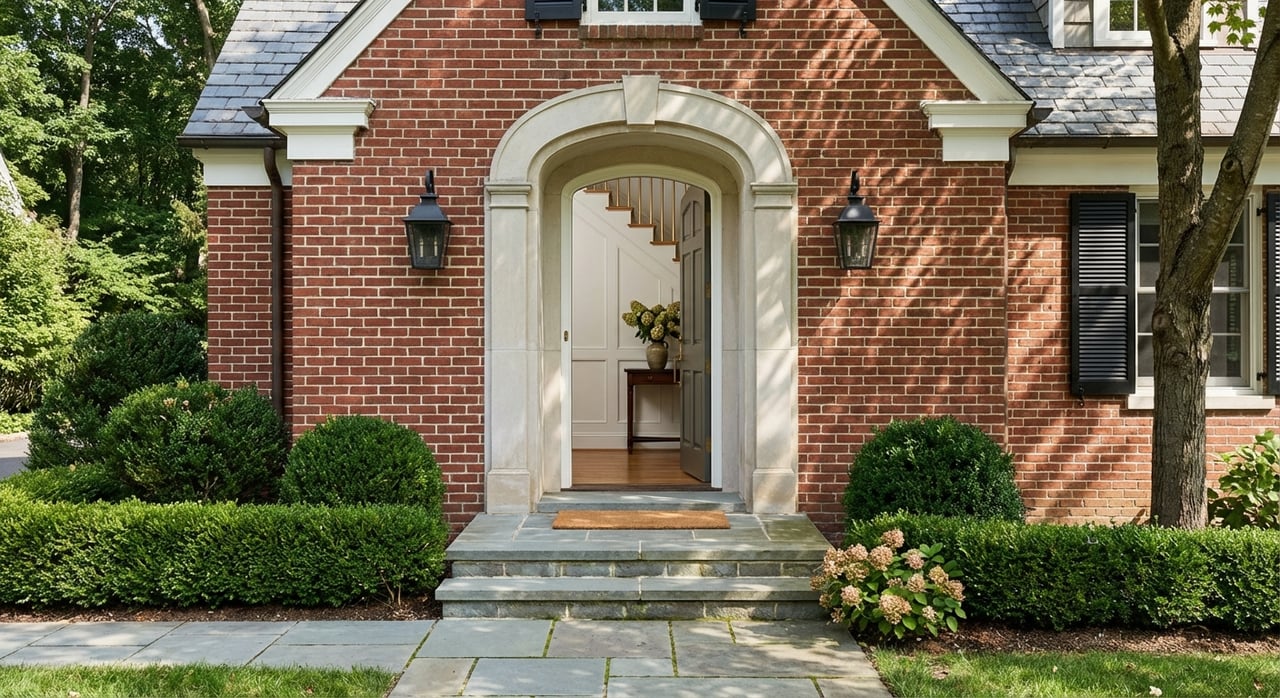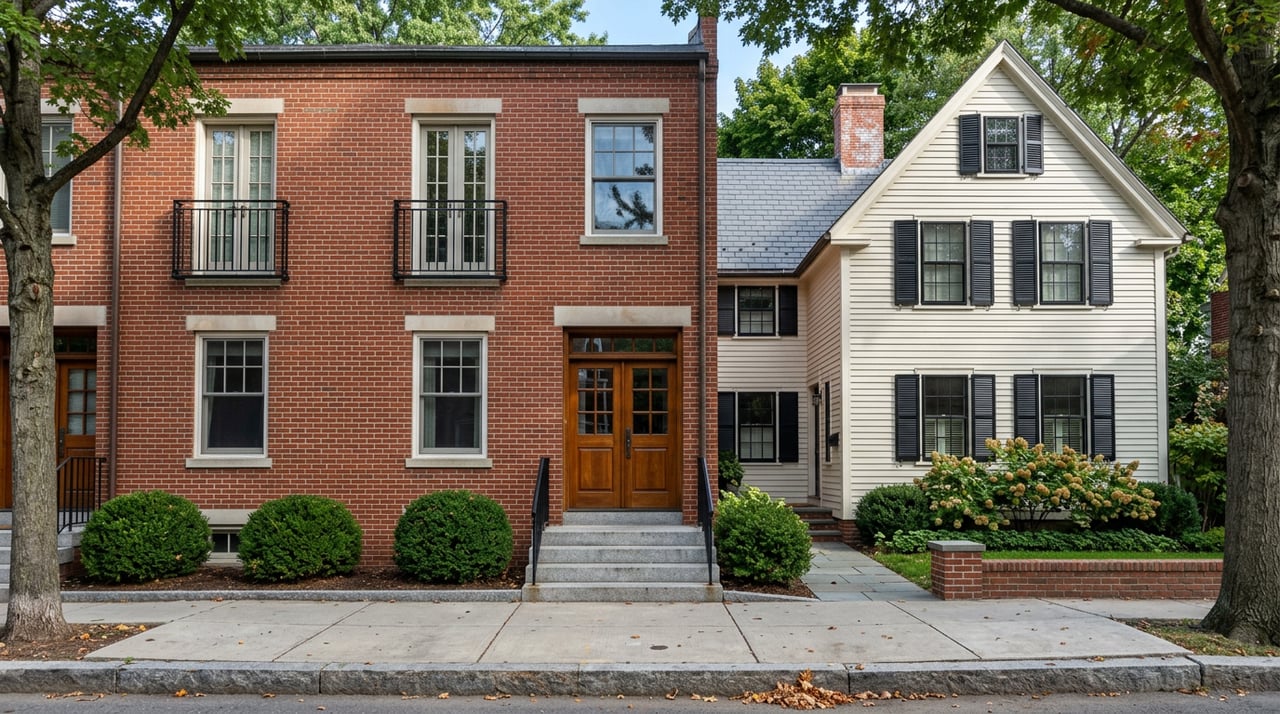
Trying to choose between a condo and a single-family home on Providence’s East Side? You are not alone. The area’s mix of historic homes, converted condos, and amenity buildings gives you real options, but each path comes with different costs, rules, and day-to-day trade-offs. In this guide, you will see how price, maintenance, financing, insurance, parking, and resale play out locally so you can make a confident decision. Let’s dive in.
East Side basics
When locals say “East Side,” they mean the Providence neighborhoods east of the Providence River, including College Hill, Wayland, Fox Point, Blackstone, Hope, and Mount Hope. This is distinct from the separate city of East Providence across the Seekonk River. The East Side draws buyers for its walkable commercial corridors, proximity to Brown and RISD, and access to parks and the waterfront.
Much of the housing stock is historic. Portions of College Hill and nearby blocks fall under local historic-district review, so exterior changes visible from public streets require approval and a Certificate of Appropriateness from the Providence Historic District Commission. You can review the process and district maps through the city’s Providence Historic District Commission.
What your money buys today
Price points on the East Side vary by neighborhood and property type. For example, Zillow’s ZHVI placed the typical home value in College Hill around $943,963 as of Jan 31, 2026. Other providers have recently shown College Hill medians in the high hundreds of thousands, while broader East Side snapshots sometimes sit in the 600K to 800K range depending on the exact geography and month. Because different services define neighborhoods and timeframes differently, use these as directional signals and always check the latest data when you are ready to buy.
In general, larger single-family homes in College Hill and Blackstone skew higher. Wayland and parts of Fox Point often land in the mid to upper ranges. Smaller condo conversions and townhomes can offer lower entry prices, with monthly HOA dues that replace some of the exterior maintenance you would handle with a house.
Condo vs home: key trade-offs
Total monthly cost
Your decision should start with the full monthly picture. For a single-family home, plan for mortgage, property taxes, homeowner insurance, utilities, and a maintenance reserve. A common rule of thumb is to budget roughly 1 to 3 percent of the home’s value per year for upkeep, adjusting for age and condition. That heuristic is widely cited and summarized here as a planning tool in research on the real cost of owning a home.
For a condo, your monthly HOA dues cover shared costs like exterior maintenance, common-area utilities, and master insurance. On the East Side, dues range widely based on building size and services. Small three to six unit conversions might sit near the lower end, while mid or high-rise buildings with elevators or included heat sit much higher. Always compare apples to apples by adding HOA dues to your housing budget and confirming what utilities or services are included.
Before you buy a condo, request key association documents. Lenders and buyers typically review the current budget, 2 to 3 years of financials, reserve balances or a reserve study, recent meeting minutes, master insurance details, and any special assessments or litigation. Fannie Mae’s project standards highlight reserves, special assessments, and owner-occupancy as underwriting factors. You can see those criteria in the Fannie Mae project standards.
Maintenance and control
With a single-family home, you control exterior changes, landscaping, and systems, but you also pay for roof, masonry, driveway, and mechanicals. On the East Side, many homes date to the 19th and early 20th centuries, which can mean specialized upkeep for slate roofs, older boilers, and historic materials. If the property sits in a local historic district, exterior work will likely need review by the Providence Historic District Commission.
In a condo, the HOA manages exterior and common areas, which can reduce your personal maintenance load. You still cover your interior systems and appliances. Also, special assessments can occur if reserves are insufficient. Reviewing minutes and reserve balances helps you spot upcoming capital projects.
Rules and governance
Condo ownership includes association rules on renovations, rentals, and common-area use. Rhode Island condominiums operate under the Rhode Island Condominium Law, which addresses key topics like association records, assessments, insurance, and liens. If you have an unusual situation or want to understand your obligations, start with the statute and seek legal guidance as needed. You can read the law on Rhode Island Condominium Law, Chapter 34-36.1.
Single-family homes have far fewer communal rules. Your main constraints are local zoning, building codes, and historic-district review where applicable.
Insurance and flood risk
Insurance works differently for condos and single-family homes. Condo owners usually carry an HO-6 policy that covers walls-in improvements, personal property, liability, and loss-assessment coverage. The association carries a master policy for the shell and common elements. Single-family owners carry a broader homeowner policy, usually HO-3 or HO-5. For a condo, ask for the master policy, its deductible, and any coverage gaps, then confirm your HO-6 accordingly. A helpful overview is available here: what is HO-6 condo insurance.
Flood exposure is also part of the East Side picture, especially near Fox Point and along tidal waterways. Lenders require flood insurance if the property is in a Special Flood Hazard Area. Always look up the address in FEMA’s Flood Map Service Center and, if you are near the bay or rivers, consider quotes to understand long-term costs. For regional context on rising sea levels and storm risk, review the Providence Resilience Partnership’s planning materials on regional resilience and flooding.
Financing and resale
Condo financing depends on the project’s eligibility under conventional lending rules. Fannie Mae and Freddie Mac have project-level criteria for reserves, owner-occupancy, commercial-use share, and more. If a project is non-warrantable, financing can be more complex or costly. Ask your lender to check eligibility early and consider using Fannie Mae’s Condo Project Manager for guidance.
On the East Side, single-family homes often attract buyers who want private outdoor space and long-term control. Condos appeal to lock-and-leave owners, downsizers, and those who want walkability with lower exterior maintenance. Your likely future buyer pool should factor into your decision.
Parking and transit
Parking varies widely by property. Many single-family homes include driveways or garages, though not all do due to historic lot sizes. Condos may offer deeded or assigned spaces, or none at all. If a unit relies on street parking, review the City’s Overnight Parking Program. Most residential streets require a permit between 2 a.m. and 5 a.m., and there are limits and fees by registration address.
Transit access is strong across much of the East Side. RIPTA routes connect to Kennedy Plaza and key corridors through College Hill, Wayland, and Fox Point. If you plan to go car-light, check route frequency and maps on RIPTA’s Providence page as you shortlist homes.
Decision playbooks by buyer type
First-time buyers
- Confirm condo project eligibility with your lender early. Warrantable projects usually offer more straightforward conventional financing. See the Fannie Mae project standards for the criteria lenders use.
- Ask the HOA for the budget, reserve balance or study, recent minutes, and insurance certificate. Build the dues into your pre-approval.
- If you prefer a simpler financing path and fewer underwriting variables, consider single-family homes or well-established, warrantable condo projects.
Downsizers
- Condos often reduce exterior maintenance, snow removal, and landscaping loads. Review the HOA’s meeting minutes and reserve balances for upcoming projects.
- If you still want a yard, target smaller single-family homes with manageable lots and confirm whether exterior changes will need historic review.
- Look for walkable corridors and buildings with elevator access if mobility is a consideration.
Pied-à-terre seekers
- Condos near Wayland Square, Thayer Street, or Fox Point offer convenience and predictable upkeep.
- Check guest parking logistics and the City’s Overnight Parking Program. Many associations limit guest passes and short-term rentals, so review the rules.
- A deeded or assigned parking space can be valuable if you visit by car.
Quick buyer checklist
Use this short list to evaluate any East Side property before you write an offer:
- Compare the full monthly number. Add mortgage, an estimate from the City’s Tax Assessor, insurance, utilities, HOA dues, and a maintenance reserve.
- For condos, request the HOA packet. Get the current budget, reserve study or balances, recent minutes, master insurance, and any planned special assessments. Review for items that matter to lenders under the Fannie Mae project standards.
- Check flood risk. Use FEMA’s Flood Map Service Center for the address and consider flood insurance quotes for near-water locations. Review regional risk insights through Providence resilience planning.
- Verify parking. Confirm deeded or assigned parking, guest policies, and your eligibility and costs under the City’s Overnight Parking Program.
- If you plan exterior changes to a historic home, contact the Providence Historic District Commission early to understand timelines and approvals.
How to choose with confidence
If you want maximum control, space, and a simpler financing path, a single-family home may fit. If you value walkability, predictable exterior upkeep, and a lock-and-leave lifestyle, a condo near your favorite amenities may be right. On the East Side, factors like HOA reserves, flood exposure, historic-district rules, and parking can tip the balance.
When you are ready to compare specific homes or buildings, we are here to help you model total monthly costs, review condo financials, and align the property to your long-term plan. Connect with DiCenzo Advisory to start a tailored conversation.
FAQs
What is the difference between Providence’s East Side and East Providence?
- The East Side refers to Providence neighborhoods east of the Providence River, while East Providence is a separate city across the Seekonk River with its own government and services.
How much are typical condo HOA fees on the East Side?
- Dues vary widely based on building size and amenities, from roughly the low hundreds per month for small conversions to the high hundreds for larger or amenity-rich buildings. Always confirm what utilities and services are included.
What condo documents should I review before buying in Providence?
- Ask for the current budget, reserve study or balances, 12 to 24 months of meeting minutes, the master insurance summary, and any planned special assessments. Lenders focus on reserves, assessments, and owner-occupancy per Fannie Mae project standards.
Do I need flood insurance to buy near Fox Point or the waterfront?
- Lenders require flood insurance if the property is in a Special Flood Hazard Area. Look up the exact address in FEMA’s Flood Map Service Center and get quotes to understand long-term costs.
How does Providence overnight parking work for East Side residents?
- Many residential streets require an overnight permit between 2 a.m. and 5 a.m., with annual fees and limits by registration address. Review fees and rules on the City’s Overnight Parking Program.
Are exterior changes to East Side homes restricted by historic rules?
- In local historic districts, exterior changes visible from public ways need approval and a Certificate of Appropriateness. See the process and maps through the Providence Historic District Commission.