If you price an East Side of Providence home well, you set the tone for everything that follows: showings, offers, and ultimately your net proceeds. The challenge is that no two blocks on the East Side behave the same, and online estimates often miss the nuance. In this guide, you’ll learn a clear, defensible approach to pricing that reflects the market, your home’s condition, and local historic guidelines. Let’s dive in.
Start with market context
Rhode Island’s market has stayed strong, with the Real Estate Institute of Rhode Island reporting a statewide median single‑family price near $520,000 in June 2025 and very limited months of supply, which still leans toward sellers in many areas. That macro backdrop supports thoughtful, confident pricing if your home is well presented and aligned to local comps. Inventory has risen from pandemic lows but remains tight in many desirable corridors, including the East Side. Out‑of‑state buyers remain active at the higher end, which can lift top‑tier pricing in premium pockets. State market overview
Remember, the “East Side” is part of the City of Providence, not the separate municipality of East Providence. Treat neighborhood medians you see on portals as directional. For an exact number, rely on a local, MLS‑based comparative market analysis.
Know your East Side micro‑market
The East Side covers College Hill, Fox Point, Wayland, Blackstone, Mount Hope, Summit/Hope, and nearby pockets immediately east of downtown. Each area attracts a different buyer mix and carries different price bands. Use neighborhood context to forecast demand and shape your price and presentation. Neighborhood overview
- Premium clusters such as College Hill and parts of Wayland and Blackstone often trade above the East Side median, especially for larger historic homes with strong condition, parking, and views.
- Fox Point and streets near campus have more condos and smaller multi‑unit properties, which typically price with different metrics and buyer expectations.
- Mount Hope and Summit/Hope often appeal to buyers prioritizing walkability and value within the East Side.
Buyer profiles and pricing cues
- Owner‑occupants shopping for historic character and proximity to amenities will prioritize condition, parking, and outdoor space.
- Professionals and arts‑oriented buyers near Thayer, Wickenden, and Wayland Square value lifestyle access, updated systems, and flexible layouts.
- Investors near Brown and RISD often focus on unit mix, legal status, and projected rent rolls.
Different buyer pools respond to different features. Your price should anticipate who is most likely to bid for your address and how your home stacks up against their short list.
Factor condition and historic rules
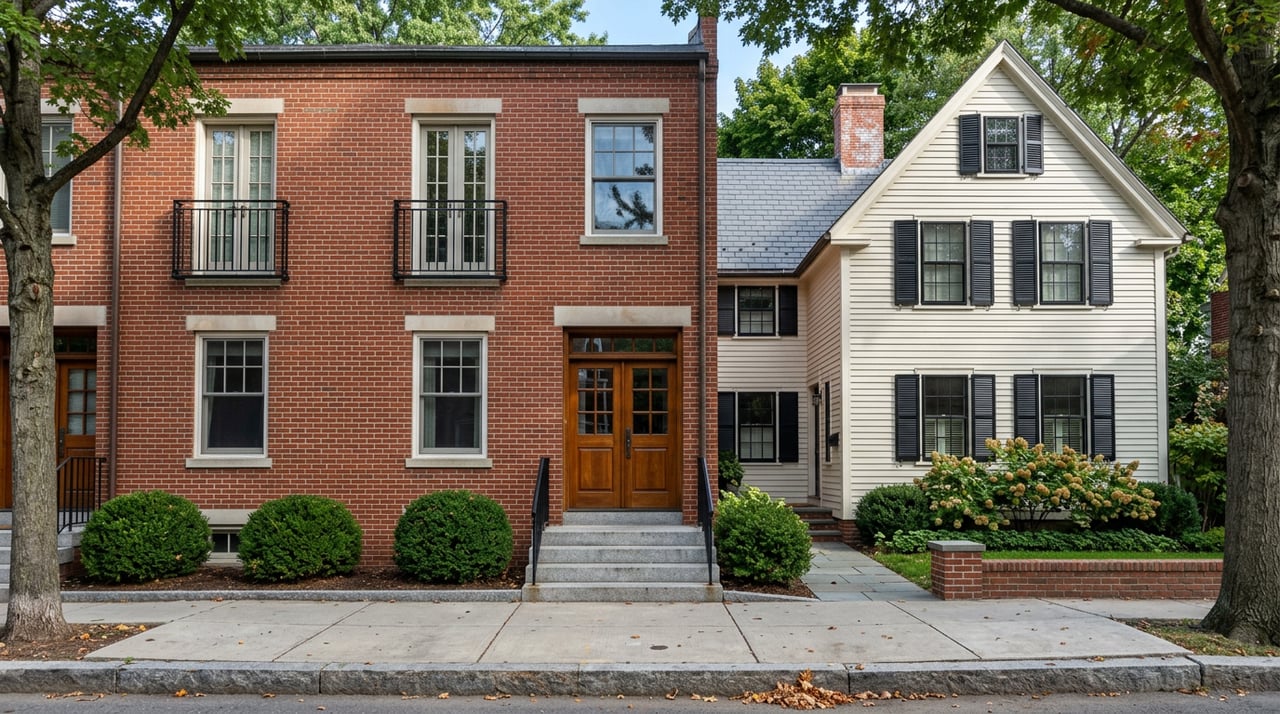
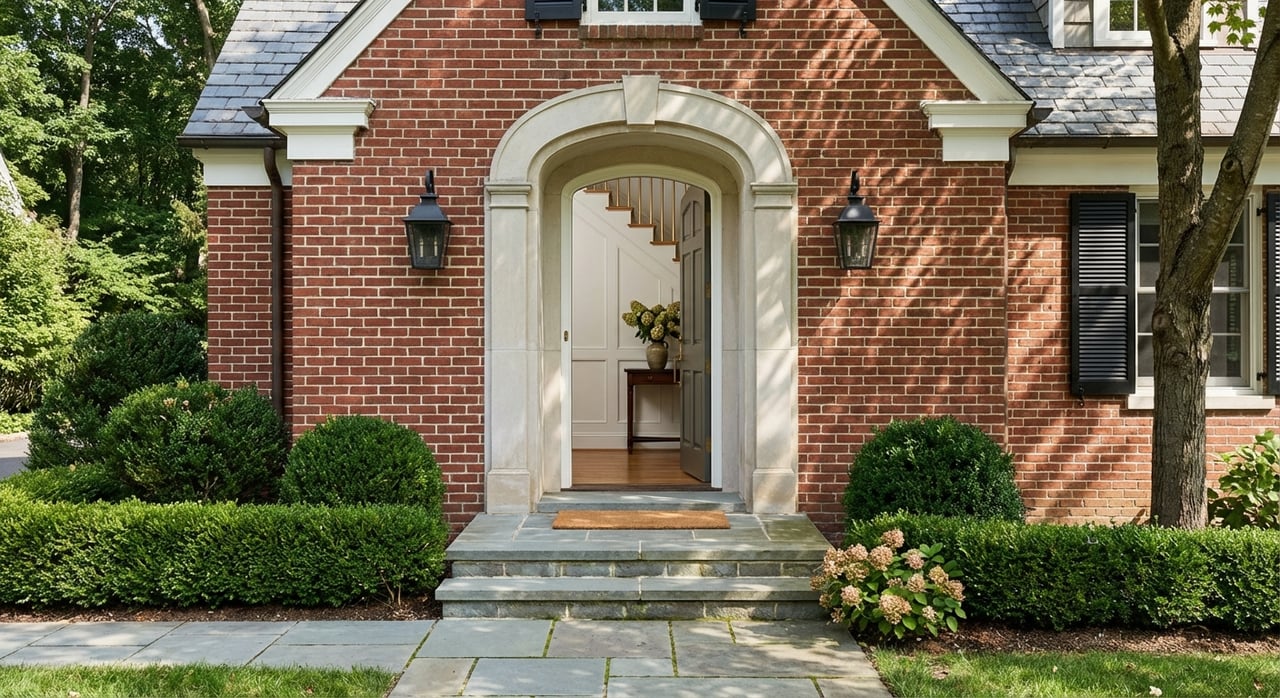
East Side architecture is a draw. Period details in Georgian, Federal, and Victorian homes can command a premium when paired with updated systems and sound maintenance. On the flip side, deferred roof, mechanical, and exterior work tends to drag on time to offer and net. Appraisers and market analysts adjust for condition, size, lot, parking, and time of sale, so your pricing should do the same. Appraisal guidance
Permits and historic status
Large portions of the East Side, notably College Hill, fall within local and national historic districts. Exterior changes visible from the street can require a Certificate of Appropriateness from the Providence Historic District Commission. Unpermitted exterior work or unresolved violations can affect marketability and price. Confirm your property’s status and gather any approvals before listing. Historic district info
Rhode Island also offers state historic tax credits for qualifying income‑producing rehabilitation projects. While these programs typically do not apply to routine single‑family updates, knowing they exist can matter for mixed‑use or multi‑unit assets. State tax credits overview
What to fix before listing
National Cost vs. Value research shows smaller, high‑impact projects often recoup more than large luxury overhauls. Fresh paint, lighting updates, curb appeal improvements, and targeted minor kitchen or bath refreshes tend to deliver efficient returns. Use local comps and contractor estimates to decide what to tackle before market. Cost vs. Value trends
Build a pricing strategy
A smart pricing plan blends hard data with presentation and timing. Your goal is a number you can defend that triggers strong early engagement.
Craft a tight CMA
- Pull 3 to 6 recent sold comps from your immediate sub‑neighborhood, plus 1 to 3 active or pending listings and 1 to 2 expireds to test the upper bound.
- Adjust for bed/bath count, finished area, lot and parking, permitted unit count, condition, recent upgrades, and market timing. Document why each adjustment is credible with on‑street evidence. Comparable selection principles
If the market is thin, extend the time window or radius carefully and note the rationale. Avoid outliers like distressed or atypical sales unless adjusted appropriately.
Choose a pricing tactic
- Fast sale and price certainty: list at or slightly below the indicated market value to maximize cross‑search visibility and encourage multiple offers.
- Maximize price for a unique home: consider a premium ask if your property is one‑of‑a‑kind, and be prepared for a longer days‑on‑market path with planned checkpoints.
Overpricing at the start often leads to slower traffic and eventual price cuts. Right‑sized pricing captures early attention when buyer interest is highest.
Present to win
Professional photography, floor plans, and an engaging 3D tour deepen online engagement. Staging helps buyers visualize older or unconventional floor plans and can shorten time on market or nudge offers higher, according to national surveys. Budget for at least a staging consultation on higher‑priced or vacant properties. NAR staging insights
East Side seller checklist
- Get an MLS‑driven CMA and, if helpful, a pre‑listing appraisal estimate.
- Schedule a pre‑listing inspection to surface issues you can fix or price around.
- Confirm local historic‑district status and gather any PHDC approvals. Historic district info
- Prioritize small, high‑ROI projects first, like paint, landscaping, lighting, and minor refreshes. Cost vs. Value trends
- Stage high‑impact rooms and order professional photos, floor plans, and a 3D tour. NAR staging insights
- Set your pricing tactic and a 7 to 14‑day performance checkpoint for showings, online views, and feedback.
Pricing scenarios to consider
- Renovated single‑family in Blackstone: If systems are updated and the home shows beautifully, a market‑level or slightly ambitious ask can work, especially if inventory on the boulevard is light.
- Historic College Hill with preserved details: When paired with documented maintenance and parking, a premium is realistic. Confirm compliance with historic requirements and highlight any permitted work in your marketing.
- Fox Point condo near Wickenden: Price with attention to HOA fees, reserves, lender eligibility, and any rental restrictions. Provide association documents early to support buyer confidence and appraisal.
When to adjust price
Monitor traction closely in the first two weeks. If showings and online engagement lag similar listings, make a small, early adjustment to price or presentation. Early, measured moves often outperform late, deeper cuts. Keep aligning your pricing story to live feedback and on‑street comps.
If you would like a discreet, data‑driven valuation and a curated go‑to‑market plan for your address, we’re here to help. Connect with DiCenzo Advisory for a private consultation.
FAQs
What is the East Side vs. East Providence?
- The East Side is a set of Providence neighborhoods east of downtown, while East Providence is a separate municipality. Pricing and buyer pools differ, so use a local CMA for your specific area. Neighborhood overview
How strong is the Rhode Island market now?
- As of mid‑2025, statewide medians were near record levels with low months of supply, which supports sellers in many areas. Always confirm current MLS data before setting price. RI market snapshot
How does historic‑district status affect pricing?
- It can add appeal for buyers who value preservation, but it limits certain exterior changes and can extend timelines. Disclose approvals early to avoid surprises. PHDC guidance
Should I renovate before selling an East Side home?
- Focus on repairs and high‑ROI, low‑cost updates like paint, lighting, and curb appeal. Use local comps and contractor bids to decide on any larger projects. Cost vs. Value trends
Are online estimates reliable for East Side pricing?
- Portals are helpful for trends, but your final list price should come from an MLS‑based CMA with on‑street comps and condition adjustments. Appraisal guidance