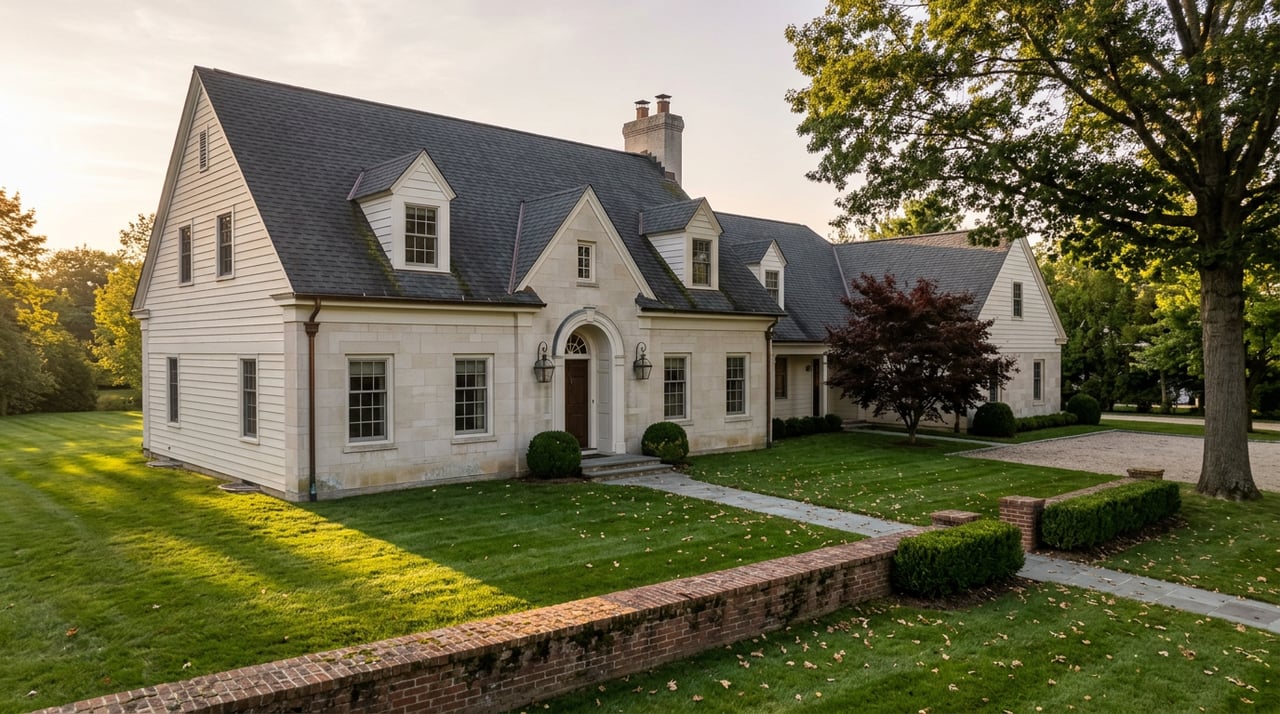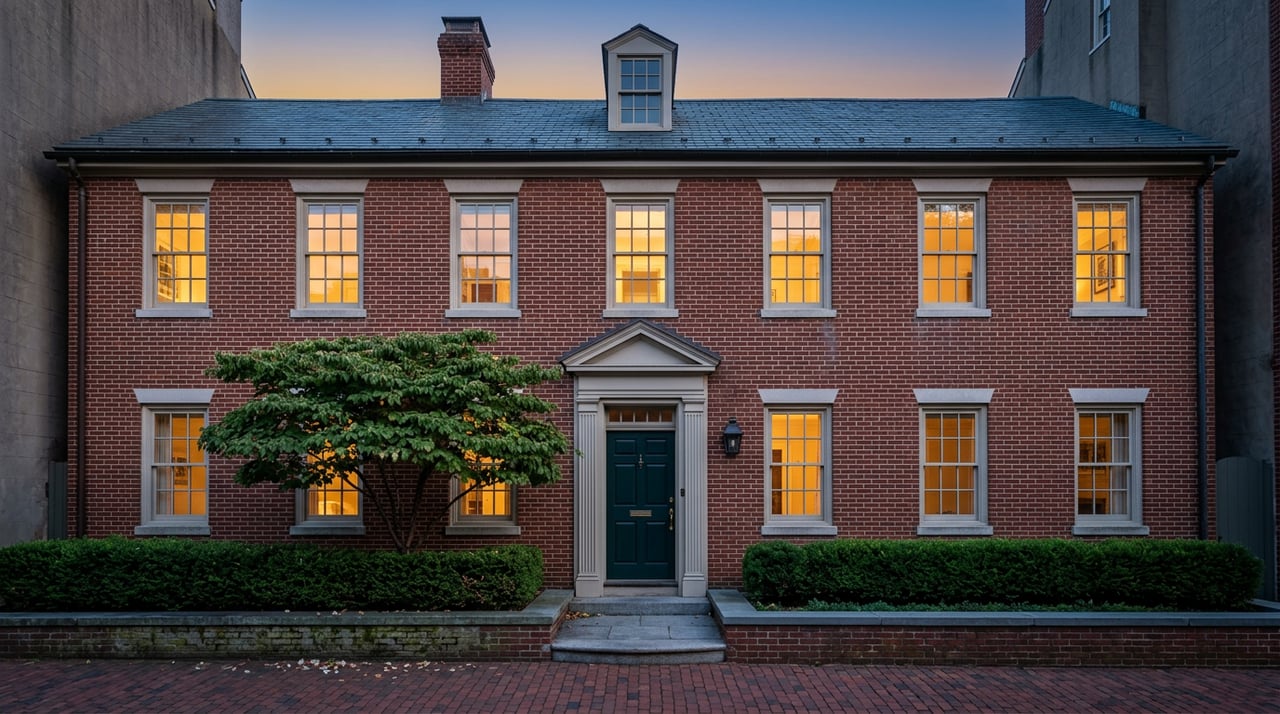
"There was no context. You didn't know how much it was going to cost you in your home." Town Manager Andy Nota said that in May 2026, describing the moment East Greenwich residents finally saw a real dollar figure attached to the $150 million school construction bond they had approved two and a half years earlier. He was talking about his own Town Council walking into a budget meeting. He could just as easily have been talking about anyone shopping for a house in East Greenwich this summer.
If you've been comparing East Greenwich's list prices against Warwick's or North Kingstown's, you've probably pulled this year's tax rate into your spreadsheet and treated it the way you'd treat the roof or the furnace: a fixed cost, priced once, done. It isn't fixed right now. It's on a schedule, and the schedule has a few more years to run.
The Rate Just Moved, and It Wasn't a One-Year Story
In June 2026, the East Greenwich Town Council voted 5-0 to approve a $96,963,796 budget for fiscal year 2027, which began July 1. The vote set the residential tax rate at $16.63 per $1,000 of assessed value, a 6.79 percent increase over the prior year's $15.57. For the owner of the town's median-priced home, valued at $723,800, that works out to a tax bill of roughly $12,091, about $791 higher than the same house would have owed the year before.
That $723,800 figure moved a little through the process, too. Nota's original proposal in May pegged the median home at $725,000. By the time the council voted, the number had settled at $723,800. Even the baseline everyone is doing math against gets revised as the town finalizes its own assessed values.
The town's budget documents point to one driver for nearly all of the increase: debt service on the $150 million bond voters approved in November 2023, by a margin of 1,567 to 696, to replace Frenchtown Elementary, rebuild or renovate Hanaford Elementary, and add on to East Greenwich High School. Bonds don't get issued the day voters say yes. The town's plan called for groundbreaking at the Hanaford and Frenchtown sites in January 2026, with the first tranche of borrowing, about $70 million, issued in June 2026 and the remainder expected in 2027. The gap between the November 2023 vote and the first shovel in the ground is also the gap between when residents agreed to the project and when the bill started arriving on their doorstep.
Why the Bill Keeps Climbing After the Ribbon-Cutting
The easy assumption is that once the schools open, the tax hit levels off. That isn't what the town's own finance office is projecting.
Rhode Island's School Building Authority has committed to reimbursing more than half of eligible construction costs, but that money doesn't arrive until the state confirms the entire project, including demolition of the old Hanaford and Frenchtown buildings, is complete. Town officials have told residents that milestone won't happen until fiscal year 2029 at the earliest, meaning fiscal years 2026 through 2028 represent the town's peak debt-service years with no reimbursement offset yet in hand.
Finance Director Patricia Sunderland walked the council through the arithmetic in March 2026. The town's overall annual debt-service need is projected to jump from roughly $6 million in fiscal year 2027 to approximately $10 million in fiscal year 2028, as the second bond tranche gets issued. For a homeowner assessed at the town's approximate average of $729,000, she projected the debt-service portion of the tax bill alone would climb from $1,322 in fiscal year 2027 to about $1,862 by fiscal year 2032, a $540 increase that continues even after reimbursement begins arriving.
That's the piece a portal search doesn't show you. Two towns can carry an identical mill rate today and still be on completely different trajectories, depending on where each one sits in its own capital construction calendar.
| Fiscal Year | Residential Rate (per $1,000) | Context |
|---|---|---|
| FY2025 | $14.73 | Rate dropped roughly a third after a town-wide revaluation |
| FY2026 | $15.57 | First of two consecutive tax-cap waiver years |
| FY2027 | $16.63 | 6.79% increase, driven by school bond debt service |
By state law, Rhode Island towns can't raise their total tax levy more than 4 percent in a single year without a waiver from the General Assembly. East Greenwich has now cleared that threshold two years running, first at 5.4 percent for fiscal year 2026, then at 6.79 percent for fiscal year 2027, both justified on the basis of bond debt, which is one of the specific conditions state law allows for exceeding the cap.
The Council Fought Over Who Pays, Not Whether
The 6.79 percent figure wasn't the town manager's opening bid. Nota's proposed budget in May called for a 6.88 percent increase, which would have added about $888 to the median homeowner's bill rather than $791. Council members spent the following weeks looking for ways to soften that number without touching the construction schedule itself. Council President Mark Schwager acknowledged that "it was hard to predict when we passed the bond what the larger economic picture would look like."
The council asked Nota for options that included a user fee at the town's transfer station, closing the transfer station altogether, and shifting more of the burden onto commercial property owners instead of residential ones. They landed on raising the commercial rate to $28.03 per $1,000, a 3.81 percent increase, which allowed the residential rate to come down slightly from the original proposal.
None of that changes the trajectory. It changes who inside the town absorbs how much of it, and that negotiation happens again every spring for as long as the debt service is climbing.
What This Means If You're Comparing East Greenwich to a Neighboring Town
A buyer cross-shopping East Greenwich against Warwick or North Kingstown this fall is usually weighing three things: list price, square footage, and this year's mill rate. That third comparison assumes every town's current rate reflects a stable, ongoing cost of running the place. East Greenwich's rate right now reflects something narrower: a town paying for a major school construction program in its most expensive, least-reimbursed years, a period officials themselves have said will constrain both school and municipal operating budgets through at least fiscal year 2028.
That doesn't make East Greenwich a bad buy. It means the honest comparison isn't this year's rate against another town's rate. It's asking where each town sits in its own capital investment calendar, and how many more years East Greenwich homeowners will carry peak debt service before state reimbursement narrows the gap. If you're planning to hold the property for a decade or longer, that multi-year climb is a smaller share of your total cost of ownership. If you're thinking in a three-to-five-year window, this stretch of the calendar is exactly what you'd be buying into.
Frequently Asked Questions
Does buying now lock in this year's tax rate? No. The rate is set annually by the Town Council based on the town's budget, and East Greenwich has changed it every year for the past three years. Your assessment can also shift if the town conducts a revaluation, which last happened ahead of fiscal year 2025.
Will the tax rate come down once state reimbursement arrives? Town officials expect reimbursement to begin around fiscal year 2029 and to offset a portion of the cost. Their own projections still show the debt-service piece of the average tax bill rising through fiscal year 2032, just at a slower pace than it would without that reimbursement.
Where can I check the current rate before I make an offer? East Greenwich's Tax Assessor's Office publishes the current rate per $1,000 of assessed value, and the Rhode Island Division of Municipal Finance publishes rates for all 39 cities and towns if you want a side-by-side comparison before you write an offer.
The number on the listing sheet is a snapshot. The number that actually matters over a five or ten year hold is the trajectory behind it, and in East Greenwich that trajectory is documented in town budget meetings, not buried in an assessor's database you'd have to know to look for. If you're weighing East Greenwich against another Kent County or South County town and want the full carrying-cost picture before you write an offer, DiCenzo Advisory can walk through it with you. Schedule a free consultation and bring your spreadsheet.